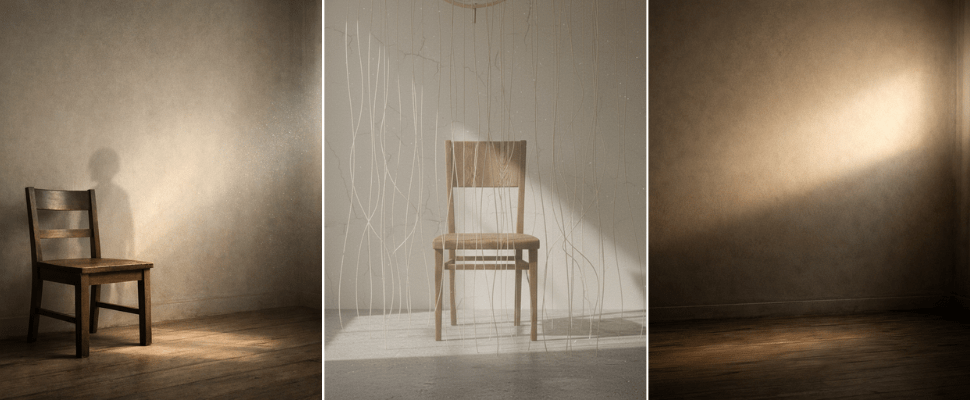
The Voice That Remains
Some days it feels like healing has happened.
And some days, a 12-year-old voice still speaks clearly enough to interrupt that belief.
She remembers fear, of noise, anger, abuse. And in listening to her, a question begins to form: how much of what is called “empathy” is actually adaptation?
Even now, reactions are filtered through other people’s emotions. Anger in the room delays honesty. Discomfort in another makes self-expression negotiable. There is a carefulness that looks like maturity from the outside, but inside, it still feels like survival.
When Awareness Comes Before Anger
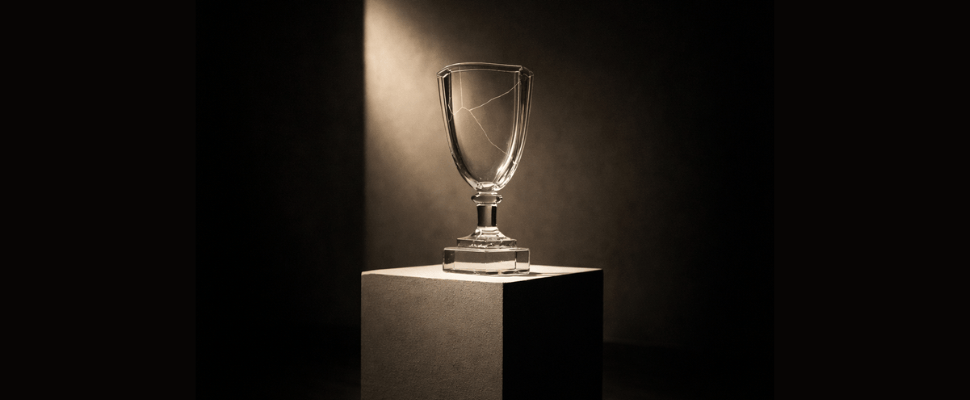
Empathy is often praised as a virtue.
But rarely is it examined.
There was pride in becoming someone kind. Someone understanding. Someone emotionally available. The label came easily, empath. It sounded like an achievement. Like proof of having healed well.
But healing shouldn’t require losing track of where kindness came from.
Because this kind of empathy wasn’t learned through safety. It was learned through absence. Through watching moods closely. Through understanding others before being understood. Through knowing that love could be generous one moment and withdrawn the next.

Compliments land differently with this awareness. Being told, “You always see the other person’s side,” carries an unspoken follow-up: Who was seeing yours?
Understanding became fluent not because it was rewarded, but because it was necessary.
There is also the pattern of over-giving when warmth appears. Pouring into people who are kind, quickly, deeply, almost as if kindness itself might disappear if not met with enough devotion. Perhaps that is what hot-and-cold love teaches: to stay alert, to earn affection, to brace for its withdrawal.
It raises another question.
If empathy is such a gift, why does it so often come with exhaustion? Why does it ask for self-erasure before it offers connection?
Softness, Survival, and Healing
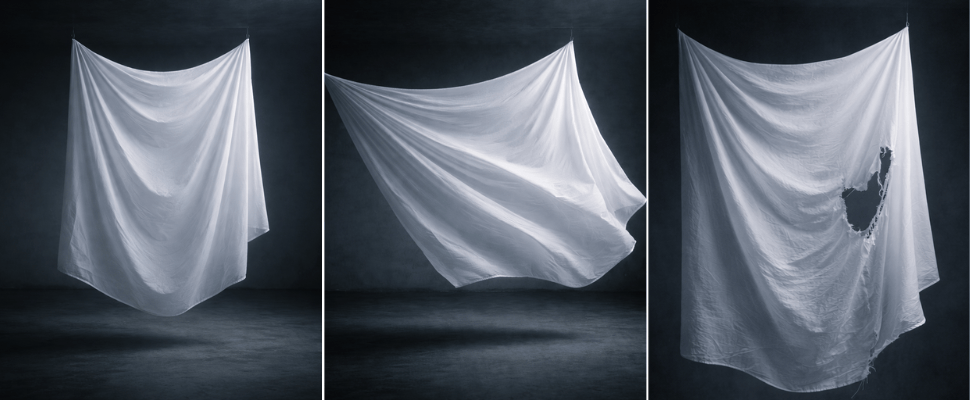
People speak of duality, yin and yang. Of how someone can be loving and demeaning at once. How ego and care can coexist. And maybe that explains others. But it doesn’t explain why some people, after living through this, don’t repeat it.
Some grow sharper. Some grow harder.
And some grow softer, sometimes at their own expense.
This is where the idea of healing becomes complicated. Because healing is often imagined as becoming endlessly understanding, endlessly forgiving, endlessly compassionate. But what if that image rewards those who learned to neglect themselves early?
Being called an empath still sounds kind. Still sounds elevated. But it breaks something quietly each time. Not because empathy is wrong, but because the title skips the origin story. It skips the cost.
The familiar response remains: Everyone is fighting a battle we know nothing about. Love is offered as the solution. Leaving people better than they were found feels like the highest good.
The Question Beneath It All

But a quieter question lingers underneath it all:
At what point does empathy stop being a virtue
and start being a habit that needs to be unlearned?
Healing, perhaps, is not about feeling more for others.
Perhaps it is about finally feeling enough for oneself.
Should empathy be unlearned?

It is a question without a clean answer. One I am not sure I even want to answer.
There are moments when it feels consuming. When it feels like too much access to too many inner worlds. When triggers whisper, Why is it your responsibility to understand? Why must you trace everyone back to their childhood before you allow yourself to feel hurt?
Why must awareness always arrive before anger?
And yet, in other moments, empathy feels like clarity. Like holding the final piece of a puzzle that makes the entire picture make sense. It feels grounding to sense what is happening beneath words. To know when something is misaligned. To feel what sits behind someone’s tone, their silence, their posture.
There is something powerful about that instinct. The ability to read what is unsaid. To feel the energy in a room shift before anyone acknowledges it. To sense when affection is real and when it is performative.
Most days, it feels like a gift.
On harder days, it feels like a gift I paid for too early.
Perhaps the real question is not whether empathy should be unlearned.
Perhaps the question is whether it can be reclaimed, not as survival, not as self-erasure, not as constant understanding at the expense of feeling.
Maybe empathy was never the problem.
Maybe it simply needs boundaries.
I do not have a final answer.
I only know this: the child who learned to read the room deserved a room where she did not have to.
And the adult who carries that ability deserves to use it without disappearing in the process.
-eika

